
Understanding Body Dysmorphic Disorder with Clarity and Compassion
A calm, evidence-based space to learn how BDD affects perception, emotion, and recovery — and how to move beyond it.
UNDERSTANDING BDD DIFFERENTLY
You Are Not Seeing Yourself Clearly — And That Is Not Your Fault.
Body Dysmorphic Disorder is not vanity, weakness, or self-absorption. It is a distortion in how the brain processes visual and emotional information.
This space exists to explain BDD clearly, compassionately, and scientifically — so individuals, families, and clinicians can understand what is actually happening and what truly helps.
This is not a place for reassurance. It is a place for clarity.
WHAT IS BODY DYSMORPHIC DISORDER?
A Distortion in Perception — Not a Character Flaw.
Body Dysmorphic Disorder (BDD) is a mental health condition in which a person becomes preoccupied with perceived flaws in their appearance — flaws that are often minor or not visible to others.
The distress does not come from how someone looks. It comes from how the brain processes and magnifies visual detail.
- Persistent appearance-focused thoughts
- Compulsive checking or avoidance behaviors
- Significant emotional distress and impairment
HOW BDD DISTORTS VISION
When the Mind Magnifies What the Eye Sees
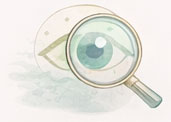
In Body Dysmorphic Disorder, the difficulty is not simply emotional. It is perceptual.
The brain becomes overly focused on specific details, filtering out context and amplifying minor features until they feel overwhelming and urgent.
Perception
Visual processing shifts toward detail over context. The mind zooms in on perceived imperfections, making them appear larger, sharper, and more significant than they truly are

Thinking
Repetitive and intrusive thoughts reinforce the distorted perception. The mind begins to interpret small details as threats, flaws, or signs of rejection, creating cycles of doubt and self-criticism.

Emotion
Distress, shame, and anxiety intensify the focus. These emotional responses increase checking, avoidance, and reassurance-seeking — which in turn strengthen the distortion.
THE PATH TO HEALING
Treatment That Actually Helps (Evidence-Based)
Effective treatment for Body Dysmorphic Disorder is rooted in well-established psychological and medical research.
BDD is treatable. With the right approach, individuals can learn to shift how they process visual information, reduce compulsive behaviors, and experience meaningful relief.

CBT and ERP
ERP helps individuals gradually face appearance-related fears without engaging in checking, avoidance, or reassurance behaviors. Over time, the brain learns that distress can decrease without rituals.

Visual Reprocessing Training
CBT addresses distorted beliefs about appearance and self-worth. When delivered by a clinician experienced in BDD, it helps restructure thought patterns that reinforce the disorder.

Medications
Certain medications, particularly SSRIs, can reduce obsessive thoughts and emotional intensity. Medication is often most effective when combined with therapy.
READY TO TAKE THE NEXT STEPS
Explore Your Treatment Options
If you or someone you care about may be struggling with Body Dysmorphic Disorder, support is available.
The right approach depends on individual needs, symptom severity, and access to trained professionals — but informed decisions lead to better outcomes.
Find a BDD-Competent Therapist
Look for clinicians experienced in treating OCD-spectrum conditions and trained in ERP or CBT for BDD. Asking the right questions in an initial consultation can help ensure appropriate care.
Learn What Evidence-Based Treatment Involves
Understanding how ERP, CBT, and medication work can reduce fear and uncertainty. Treatment is structured, measurable, and designed to retrain perception — not provide reassurance.
OUR STORIES
Understanding Through Lived Experience
BDD can feel isolating and misunderstood. Hearing from others who have experienced similar struggles can bring clarity, validation, and perspective.
This space includes personal reflections, insights, and shared experiences — offered not for reassurance, but for understanding.
“I spent years believing what I saw was reality.
Learning how perception works changed everything.”
— Shared Experience
RESEARCH & SCIENCE
Research & The Science
Understanding Body Dysmorphic Disorder requires more than reassurance. It requires evidence.
The information shared here reflects established research in visual processing, cognitive behavioral science, and treatment outcome studies.
Visual Processing Research
Studies show differences in how individuals with BDD process facial and detail-based information, often favoring local over holistic perception
Neuroimaging Findings
Brain imaging research suggests altered activation in visual and emotional regulation networks, helping explain why perceived flaws feel urgent and distressing.
Treatment Outcome Studies
Controlled clinical trials demonstrate that ERP and CBT significantly reduce symptoms when delivered by trained providers.
Summaries of Key Studies
Leading universities and international foundations continue advancing understanding and treatment approaches for BDD.
NEED IMMEDIATE SUPPORT?
If you are experiencing intense distress or thoughts of self-harm, please seek professional help immediately.
This website provides educational information only and cannot replace medical or mental health care. If you are in immediate danger, contact your local emergency number or a crisis hotline in your area.